Tight access removals on Kentish Town Road expert solutions
If you are moving on Kentish Town Road, chances are the property access is the real challenge, not the packing. Narrow hallways, basement flats, awkward staircases, loading restrictions, and the usual London parking headache can turn a straightforward move into a bit of a scramble. That is exactly where Tight access removals on Kentish Town Road expert solutions make a difference. With the right planning, vehicle choice, and lifting methods, even the fiddliest move can be handled calmly and safely.
This guide explains what tight access removals involve, why they matter on a busy NW5 route, and how experienced movers approach them without drama. You will also find practical steps, common mistakes to avoid, a useful comparison table, and a checklist you can actually use. No fluff. Just the stuff that helps on moving day.
Why Tight access removals on Kentish Town Road expert solutions Matters
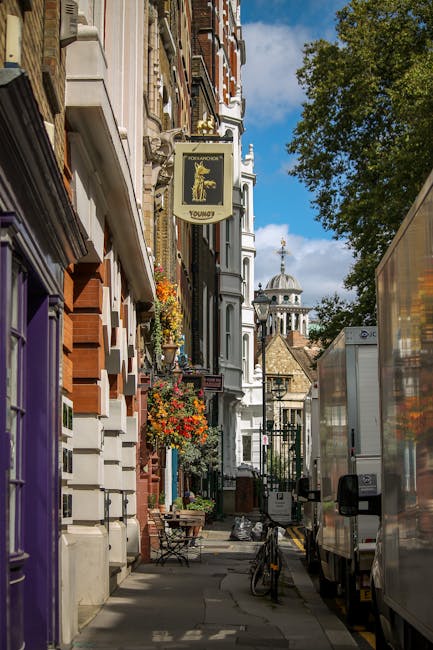
Kentish Town Road has a mix of period conversions, mansion blocks, compact flats, shops, upper-floor homes, and properties where access is, frankly, a bit tight. That means a normal removals plan can fall apart fast if the team arrives without the right equipment or route strategy. One van parked in the wrong place, one awkward turn on the stairs, and suddenly everyone is standing around waiting for the sofa to do a mathematical miracle.
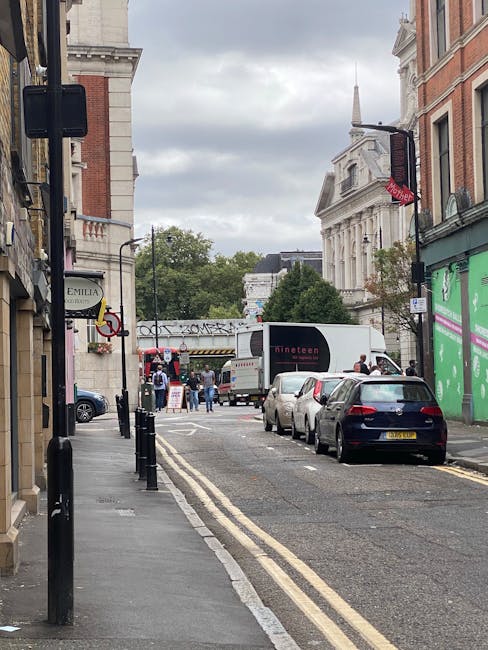
The real issue is not just convenience. Tight access affects safety, timing, and the condition of your furniture. Large items can scrape walls, strain doorway frames, or become unstable when lifted at odd angles. In a busy road setting, there is also the added pressure of traffic, neighbours, delivery vehicles, and limited stopping space. So expert planning is not a luxury here; it is the sensible way to keep the move controlled.
It also matters commercially. If you are comparing removal companies in Kentish Town, the best option is rarely the one that simply says "yes" the fastest. You want the one that asks about stair counts, door widths, lift access, parking, and item sizes before they quote. That level of care usually saves time later.
Expert summary: tight access removals succeed when planning starts before moving day, not on the pavement outside the building. Measure first, protect surfaces, choose the right vehicle, and keep the route simple.
How Tight access removals on Kentish Town Road expert solutions Works
Expert tight access removals are built around one idea: reduce friction at every stage. That usually starts with a pre-move assessment. The mover checks the property layout, item volume, stair access, lift size, road position, and whether a vehicle can stop close enough without causing problems. If the route is awkward, the team may suggest smaller loads, staggered carrying, or a more compact van.
In practice, the process often looks like this:
- Access review: the mover identifies pinch points such as narrow hallways, low ceilings, tight turns, or shared entrances.
- Vehicle matching: instead of sending a large truck that cannot park nearby, they may use a more suitable removal van or a compact vehicle setup.
- Protection planning: door frames, banisters, floors, and corners are covered before the first item moves.
- Load sequencing: bulky items are removed in the right order so the team does not block its own path.
- Manual handling: trained movers use straps, sliders, dollies, and team lifts to keep items stable.
- Final placement: furniture is carried into the new space in a way that respects access limits there too, because tight access often happens at both ends. Typical London move, to be fair.
If the move involves a flat, especially an upper-floor one, the tactics become even more specific. A good team will think about stair angles, landing space, and how to rotate furniture without forcing it. That is why people relocating from compact homes often benefit from a flat removal service in Kentish Town rather than a broad, one-size-fits-all approach.
For smaller jobs, such as a partial move or a quick turnaround, a man with a van in Kentish Town can be the most efficient option, especially when access is so limited that a larger setup adds more hassle than value.
Key Benefits and Practical Advantages
When the access is awkward, the benefits of an expert approach show up very quickly. The obvious one is damage prevention, but there are several others that matter just as much on Kentish Town Road.
- Lower risk of damage: fewer collisions with walls, rails, windowsills, and furniture edges.
- Better time control: a team that plans the access properly usually works faster, even if the property itself is tricky.
- Less physical strain: careful lifting reduces the chance of injury to movers and stress to customers.
- More predictable pricing: if access issues are identified early, the quote is usually more realistic. Surprise extras are nobody's favourite.
- Less disruption to neighbours: fewer blocked entrances, fewer repeated trips, and a cleaner moving window.
- More suitable equipment: straps, blankets, covers, and trolleys are chosen for the actual job, not just the general category.
There is also a quieter benefit: peace of mind. People underestimate how much mental load disappears when the mover has already solved the access problem before arriving. You do not spend the day hoping the wardrobe will somehow "fit if we just angle it a bit more". You already know the plan.
For some customers, this is also the difference between a move that feels chaotic and one that feels, well, normal. Not glamorous. Just calm. And calm is underrated when boxes are stacked in every room and the kettle has gone missing.
Who This Is For and When It Makes Sense
Tight access solutions are not only for extreme cases. They make sense for a wide range of everyday moves in NW5. If any of the situations below sound familiar, you are probably in the right territory.
- Top-floor flats with narrow stairs
- Basement or split-level homes
- Victorian and Edwardian properties with awkward turns
- Street-facing homes with little or no waiting space
- Moves near busy transport links, where stopping is limited
- Student relocations with multiple small items and tight corridors
- Office moves where lifts, desks, and filing units must be handled carefully
- Homes with bulky items such as pianos, wardrobes, or large sofas
It is especially useful if you are moving into or out of a property on the busy side of Kentish Town Road where traffic timing matters. A mover who also understands local access patterns can make better decisions about arrival windows and loading order. For more local context, see the Kentish Town Road removals guide and the NW5 moving tips for flats near Kentish Town Station.
If your move is urgent, you may also need a team that can respond quickly without cutting corners. In those situations, same day removals in Kentish Town can be helpful, but only if the access issues are understood upfront. Same day and tight access can work together; they just need honest planning. No magic required.
Step-by-Step Guidance
Here is the most practical way to prepare for a tight access move on Kentish Town Road. This is the bit that makes the difference between a controlled job and a stressful one.
- Walk the route from van to room. Do not just look at the front door. Check staircases, hall widths, landing turns, internal doors, and any low points. If you cannot comfortably turn a mattress in the corridor, the mover needs to know now.
- Measure the awkward items. Sofas, wardrobes, beds, mirrors, appliances, and anything with a fixed frame should be measured before move day. A rough guess usually becomes a problem later.
- Check the outside space. Think about parking, road width, neighbour access, and whether the vehicle can load without blocking the whole street.
- Choose the right moving method. A smaller vehicle, a man-and-van setup, or a full removals team can each be right depending on the volume and access. The wrong choice slows everything down.
- Protect the building first. Good movers will cover corners, floors, bannisters, and doorways before moving anything large.
- Load in the right order. The bulkiest items are usually removed first, but there are exceptions. The main rule is: keep the route open.
- Have a fallback plan. If weather, parking, or access changes at the last minute, the team should already know the second-best option.
A small but useful tip: keep your essentials box out of the access route. People often park a pile of chargers, documents, and tea bags right in the corridor, which sounds minor until it becomes the one thing everyone trips over. Happens more than you'd think.
For families, households, and larger properties, a full house removals service in Kentish Town can be better than piecing together help from different places. If furniture is especially heavy or fragile, a dedicated furniture removals service may also be worth considering.
Expert Tips for Better Results
There are a few habits that consistently improve tight access moves. They are not flashy, but they save time and reduce stress.
- Send photos before move day. Stairs, landings, and problem corners are much easier to assess from a few clear pictures than from a rushed explanation.
- Be honest about the biggest item. If the sofa is too large, say so. The mover is not judging. They are planning.
- Remove loose fittings early. Curtain poles, shelves, and detachable legs can make a surprising difference.
- Keep children and pets away from the route. A tight hallway and a curious cat are not a great mix.
- Book enough time. Tight access often takes longer than a standard move, even with an experienced team.
- Use proper packing. Neatly boxed items are easier to stack and carry than mixed bags and loose bits. If you need supplies, packing and boxes in Kentish Town can help keep everything manageable.
One more thing: do not assume the shortest route is the best route. Sometimes a slightly longer internal path with fewer turns is safer than squeezing through the narrowest doorway in the building. People tend to forget that simple fact on moving day, and then everybody pays for it.
If the move involves expensive or specialist items, choose a team with a clear insurance and safety approach. That matters even more when there is less room for error.
Common Mistakes to Avoid
Most tight access problems are not caused by the access itself. They happen because the move was planned like a normal job when it really was not. That is the trap.
- Underestimating stair width: if the stairs look "probably fine", measure them. Guessing is how furniture gets stuck halfway down a landing.
- Booking the wrong vehicle size: bigger is not always better. A van that cannot park nearby is worse than a smaller one that can.
- Ignoring road timing: school runs, delivery hours, and local traffic patterns can all affect access.
- Leaving packing too late: rushed packing creates unstable loads and slows every carry.
- Not warning the mover about fragile walls or fittings: old plaster and narrow bannisters need more protection than modern smooth corridors.
- Forgetting building rules: some blocks have lift booking windows, entry codes, or specific loading arrangements.
A subtle but important mistake is choosing a provider only on price. Cheap can become expensive if it leads to damage or wasted time. If you want to compare in a fair way, start with pricing and quotes and look at what is included, not just the headline number.
And if a move feels a bit too complicated for a standard setup, that is not a failure. It is just a sign that a more tailored service makes sense. Simple as that.
Tools, Resources and Recommendations
For tight access removals, the right tools matter almost as much as the right team. You do not need to own them, of course, but it helps to know what good movers use and why.
| Tool or resource | What it helps with | Why it matters in tight access jobs |
|---|---|---|
| Furniture blankets and covers | Protect surfaces and edges | Prevents scuffs in narrow hallways and stairwells |
| Webbing straps | Stable lifting and carrying | Improves control on stairs and during turns |
| Two-wheel and four-wheel dollies | Moving heavy boxes or appliances | Reduces manual strain where space allows |
| Corner protectors | Wall and frame protection | Useful where stair edges are very close to items |
| Inventory list | Tracking what is moving | Keeps the process organised when access slows things down |
| Local move plan | Timing and route decisions | Helps avoid road congestion and poor stopping positions |
For many people, the most useful recommendation is to keep the move simple and use one team from start to finish. If the job spans multiple rooms, storage, or staggered collection points, a removal services overview can help clarify what is suitable. If you need temporary holding space because access or timing is awkward, storage in Kentish Town may be a practical buffer.
It is also worth reviewing the wider support pages around the service you choose, such as services overview and about us, so you understand how the team works and what standards they follow. People often skip that bit. Then later they wonder why the process felt vague.
Law, Compliance, Standards and Best Practice
For a local removal job, the main compliance concerns are usually practical rather than dramatic: safe lifting, road safety, insurance, and building access rules. The exact requirements depend on the property, the location, and the moving arrangement, so it is wise to ask how a mover handles risk before the day arrives.
In the UK, good moving practice typically includes:
- Safe manual handling: lifting with the correct technique, proper team coordination, and the right equipment.
- Property protection: using covers and care to reduce accidental damage to floors, walls, and fixtures.
- Insurance awareness: knowing what cover is in place for goods in transit and public-facing work.
- Clear terms: understanding booking conditions, waiting time, cancellations, and what happens if access changes.
- Responsible disposal or recycling: dealing with unwanted items sensibly rather than dumping them. A bit obvious, but still worth saying.
For peace of mind, it can help to read the mover's terms and conditions, insurance and safety information, and health and safety policy before you book. If you care about what happens to wrapping materials, cardboard, and unwanted items, their recycling and sustainability approach is also worth checking.
Data handling and booking details matter too. If you share photos, addresses, or payment details during the quote process, it is sensible to understand the provider's privacy policy and payment and security information. No one wants a smooth move followed by awkward admin.
Options, Methods, or Comparison Table
Not every tight access move needs the same setup. Here is a simple comparison to help you choose the right approach.
| Method | Best for | Strengths | Limitations |
|---|---|---|---|
| Full removals team | Larger home moves, multiple bulky items, difficult access | More hands, better coordination, better for complex carrying | Can be more than you need for very small jobs |
| Man and van | Smaller loads, quick moves, compact properties | Flexible, often efficient, ideal where access is limited | Less suitable for very heavy or multi-room moves |
| Specialist item removals | Pianos, large furniture, awkward single items | Targeted equipment and handling | Usually focused on one item or a small set of items |
| Storage plus staged move | Moves with access restrictions, renovations, timing gaps | Reduces pressure on move day, gives flexibility | Requires extra planning and an extra step |
If your access issues involve one particularly difficult item, specialist support may be the smarter route. For example, piano removals in Kentish Town are a different game entirely from carrying boxes and chairs. Heavy, fragile, and awkward. Best left to people who do not panic at the sight of three flights of stairs.
For businesses, the calculation is a little different. Office furniture, IT gear, and document storage often need a more structured approach, so office removals in Kentish Town can be the more appropriate route if access is tight and timings are fixed.
Case Study or Real-World Example
Here is a realistic example based on the kind of job movers on Kentish Town Road see regularly. A customer is leaving a second-floor flat above a busy street. The staircase has a tight turn halfway up, the front entrance opens directly onto the pavement, and the living room contains a sofa, a bed frame, a dining table, and several packed boxes. Nothing outrageous, but enough to become annoying if the plan is poor.
The solution is straightforward, but only if it is thought through in advance. The mover asks for photos of the stairs and the largest items. They decide against sending a larger vehicle that would struggle to stop close enough. Instead, they use a smaller moving setup and split the load into sensible carrying groups. The sofa is protected, the route is cleared, and the team moves the bulky furniture before the smaller packed items. That keeps the landing free and avoids repeated backtracking.
The move still takes effort, of course. Tight access is tight access. But the important thing is that the job feels organised rather than rushed. There is less stop-start confusion, fewer "let's try this angle" moments, and no damage to the plaster on the way out. The customer gets the move done, the street stays manageable, and everyone gets on with life.
That is the real point of expert tight access removals: not perfection, just control. Enough control that a hard job does not become a messy one.
Practical Checklist
Use this checklist in the final days before your move. It is simple, but it covers the details that often get missed.
- Measure the largest items and note any parts that can be removed.
- Take photos of stairs, entrances, and any narrow internal corners.
- Check if the van can stop close enough to the property.
- Confirm whether there are building access rules or booking windows.
- Tell the mover about fragile walls, low ceilings, or tricky landings.
- Pack boxes fully but not too heavy.
- Keep a clear walkway from the main exit to the collection point.
- Set aside keys, documents, chargers, and essentials in one separate bag.
- Remove loose fittings, if safe to do so.
- Ask how the mover handles insurance, security, and waiting time.
If you are moving on a tight schedule, it is also smart to review competitive prices alongside service details so you understand the trade-off between budget and handling complexity. And if you want a broader picture of the area's moving conditions, the article on local advice for Kentish Town is a useful companion read.
Get a free quote today and see how much you can save.
Conclusion
Tight access removals on Kentish Town Road are less about brute strength and more about smart decisions: measuring properly, choosing the right vehicle, protecting the route, and keeping the load plan realistic. When those pieces line up, even a compact flat or awkward staircase becomes manageable.
The best expert solutions feel almost invisible on the day. No panic, no improv theatre, no repeated lifting just because the first plan was hopeful rather than practical. Just a careful, well-run move that respects the building and your time.
If your move involves a tricky staircase, a narrow entrance, or an access point that makes you sigh before breakfast, that is exactly the kind of situation where a thoughtful local removals team earns its keep. And honestly, when moving day goes well, it feels like the whole week gets lighter.
Frequently Asked Questions
What counts as a tight access removal?
It is any move where space is limited enough to make carrying, loading, or parking more difficult than usual. Common examples include narrow staircases, small lifts, basement flats, awkward turns, or restricted street access.
How do movers check whether access will be a problem?
They usually ask for property details, photos, item sizes, stair counts, and parking information. In some cases, they may recommend a quick walkthrough or a more detailed pre-move assessment.
Is a man and van service enough for tight access moves?
Sometimes yes, especially for smaller loads or compact flats. A man and a van in Kentish Town can be a sensible option when the route is tight and the job is not too large.
Do tight access moves cost more?
They can, because they often take longer and may need extra care, specialist equipment, or a more suitable vehicle. The cost depends on the actual access difficulty, not just the postcode.
What should I measure before booking?
Measure the largest furniture pieces, stair widths, door frames, hallway turns, and any lift dimensions if relevant. Even a rough measurement is better than guessing.
Can movers handle large items like pianos in tight spaces?
Yes, but only with the right preparation and specialist handling. A piano is a different sort of challenge from ordinary furniture, so dedicated piano removals are usually the safer choice.
What if the van cannot park close to the property?
That is a common issue on busy roads. A good team will adjust by using a smaller vehicle, changing the load plan, or timing the arrival more carefully. Sometimes a slightly later or earlier slot makes all the difference.
Should I book storage if access is difficult?
Storage can help if the move needs to be split into stages, if the new place is not ready, or if access issues make a full move unrealistic in one go. It is a practical buffer, not a last resort.
What documents or policies should I check before hiring movers?
It is sensible to review terms and conditions, insurance and safety information, privacy details, and any complaints process. That gives you a clearer idea of how the company operates and what support you can expect.
How far in advance should I book a tight access removal?
As early as you can. Tight access jobs benefit from more planning, and the better teams tend to get booked first. If you need a faster turnround, ask early and be completely honest about the access challenges.
What is the biggest mistake people make with tight access moves?
The biggest mistake is treating the move like a standard job when it is not. If access is awkward, the plan has to reflect that from the start. That is what avoids delays, damage, and unnecessary stress.
Can tight access removals work for offices too?
Yes. Offices with narrow entrances, shared buildings, or limited loading access often need tailored handling. In those cases, office removals in Kentish Town can be the more suitable route.
How do I know if I need specialist help or a standard service?
If you have one or more bulky items, a tricky stair layout, or limited stopping space outside, specialist help is usually worth it. If the move is very small and access is only mildly awkward, a simpler service may be enough. The honest answer is: it depends, but measure first.