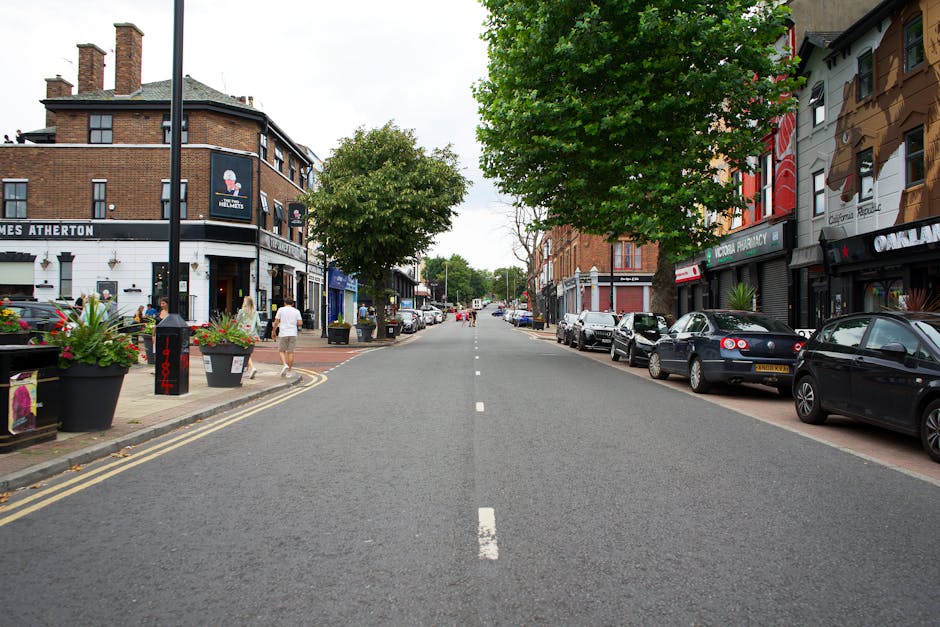
Parking and loading rules for movers on Kentish Town Road: a practical guide for smoother removals
If you are moving on Kentish Town Road, parking can be the part that quietly makes or breaks the day. The van is ready, the boxes are stacked, the lift is booked, and then-right when everything should be straightforward-you realise the loading bay is occupied, the bay clock is unforgiving, or the best stopping point is half a street away. That is exactly why parking and loading rules for movers on Kentish Town Road matter so much. This guide explains how to plan a legal, sensible loading setup, what usually causes delays, and how to keep your move efficient without adding avoidable stress.
It is written for real life, not theory. So whether you are moving a flat, handling a house move, or organising a commercial relocation, you will find clear steps, practical workarounds, and a few hard-earned tips that help on the day. Truth be told, the road is busy enough without having to improvise at the kerb.
Why Parking and loading rules for movers on Kentish Town Road Matters
Kentish Town Road sits in a part of London where traffic, pedestrians, buses, cyclists, delivery vehicles, and local residents all want space at the same time. That simple reality changes how a move works. The difference between a good move and a stressful one is often just a few metres of parking space and a few minutes of timing.
Loading and parking rules are not just bureaucracy. They affect access, safety, and whether your removals team can work quickly. If the van has to circle the block several times, your loading window gets shorter. If the vehicle stops somewhere awkward, the crew may need to carry furniture further than planned. That adds time, fatigue, and risk. And nobody wants a wardrobe wobbling down a pavement in the drizzle while pedestrians squeeze past.
For movers, the practical goal is simple: get as close as possible to the entrance, stay within the rules, and complete the job without upsetting traffic or attracting penalties. For a homeowner, tenant, or business, that means better timekeeping, less damage, and fewer surprises. If you are arranging a full home move, it helps to align parking plans with the broader moving schedule and even your packing timeline. Services such as home moves, flat removals, and office removals are much easier to coordinate when the loading point is sorted early.
Key takeaway: on a busy road like Kentish Town Road, the best move is usually the one that is planned around access first and packing second. A van can carry boxes. It cannot magically create a legal parking space.
How Parking and loading rules for movers on Kentish Town Road Works
In plain English, parking and loading rules decide where a vehicle may stop, for how long, and for what purpose. For movers, the main distinction is usually between parking and loading. Parking implies leaving the vehicle while you go off and do something else. Loading or unloading is about active movement of goods. That distinction matters because loading is often treated more leniently than ordinary parking, but only when it is genuinely happening and done in line with local restrictions.
On Kentish Town Road, the details can vary by exact location, time of day, road markings, local restrictions, and the type of bay or kerbside space available. Some stretches may offer loading bays. Others may have single or double yellow lines, permit restrictions, or stopping limitations. Even where loading is allowed, it may be limited to certain hours or require the vehicle to stay attended. In practice, that usually means the driver stays close by, the crew keeps moving, and nothing is left to chance.
The road itself is not the only factor. You also have to think about the property side of the move. Is there a front garden? A stairwell? A basement flat? Is there space to stage boxes before the van arrives? A move that looks easy on paper can turn awkward very quickly if the doorway is narrow, the entrance is shared, or the van cannot park directly outside. This is where man and van support can be handy for smaller jobs, while larger jobs may be better handled with a removal van or moving truck depending on volume and access.
For business moves, the same logic applies but the stakes are higher. Office equipment, IT kit, filing, and furniture often need a precise sequence. A short delay at the kerb can ripple through the day. That is why many firms consider commercial moves or office relocation services when planning a move along a busy urban road.
One more thing: loading rules are not something you want to interpret casually from memory. Signs, road markings, and local conditions matter. If a stop feels uncertain, assume it needs checking rather than hoping for the best. Hope is not a parking strategy.
Key Benefits and Practical Advantages
Getting parking and loading right brings more than convenience. It shapes the whole move.
- Less carrying distance: the closer the van gets, the less time is spent walking furniture, boxes, and appliances back and forth.
- Lower damage risk: shorter carries mean fewer bumps into doorframes, railings, or parked cars.
- Better timing: when loading is efficient, your schedule is easier to keep, especially if you have lift bookings or handover deadlines.
- Reduced stress for neighbours and pedestrians: a tidy, well-managed loading operation is less disruptive.
- Safer manual handling: fewer awkward lifts and less tiredness by the end of the day.
- Fewer penalties or disputes: careful parking planning reduces the chance of tickets, complaints, or arguments over stopping.
There is also a quieter benefit that people often overlook. Good access planning helps everyone on the job feel more in control. The driver is not constantly improvising. The team knows where items are going. The person moving out sees progress instead of chaos. That calm, slightly boring rhythm is exactly what you want on moving day.
If you are comparing support options, the right service can make a noticeable difference. For instance, a full removal services package may suit a more complex move, while student removals can be better for lighter loads and tighter budgets. If you need temporary holding space because access is awkward or move-in times do not align, storage can also reduce pressure on the loading day.
Who This Is For and When It Makes Sense
This guide is useful for anyone moving on or near Kentish Town Road, but some readers will feel the pain more than others.
- Flat movers: if you are in a converted house, upper-floor flat, or building with limited frontage, access planning becomes essential.
- Home movers: family homes often have more items, which means more loading time and a stronger need for a sensible parking position.
- Office managers: businesses with desks, monitors, boxes, and IT equipment need a tight schedule and clear loading access.
- Student movers: smaller loads still need proper parking, especially if the building entrance is busy or shared.
- People using a man with a van: compact jobs can be efficient, but only if the van can actually stop where it needs to.
- Anyone doing same-day removals: when time is short, poor loading arrangements are one of the quickest ways to derail the day.
It also makes sense for people handling awkward items like pianos, large wardrobes, or bulky sofas. Those jobs need more than just a vehicle. They need room to work. For that reason, specialised services such as piano removals or furniture removals are often better matched with careful parking arrangements from the start.
If your move is small and uncomplicated, you may still benefit from planning. If your move is large, plan twice. Maybe three times. The road will not get any quieter because you hoped it would.
Step-by-Step Guidance
Here is a practical way to organise parking and loading for a move on Kentish Town Road.
- Confirm the exact address and entrance. Check whether the entrance is on the road itself, around the corner, in a courtyard, or via a side passage. A few metres can change the plan completely.
- Identify the safest stopping point. Look for loading bays, legal stopping areas, or the least disruptive place for active unloading. Avoid assuming that any space near the property will do.
- Match the vehicle to the job. A small van is easier to place and manoeuvre than a larger truck, but it must still fit the volume. If you choose too small a vehicle, you may lose time on extra trips. If you choose too large a vehicle, access may become the problem.
- Stage the items inside the property. Put boxed items near the exit where possible. Group fragile items separately and keep obvious priority items ready first.
- Assign a clear loading order. Heavy, awkward, and essential items should be loaded in a sensible sequence. This saves re-handling later.
- Keep the driver present if required. Loading often works best when the vehicle is attended and ready to move if necessary. That also helps if a bay is time-limited.
- Use spotters and communication. One person at the van, one at the door, and one coordinating the sequence can prevent bottlenecks. A quick "hold on, that box goes last" saves time later.
- Leave breathing room. Try not to cut the loading plan so tight that one missing key or one late lift booking throws everything off.
For more complex jobs, especially where time, access, and item size all matter, it can help to combine the move with packing and boxes or packing and unpacking services. Better packing means faster loading, and faster loading means less exposure to parking pressure.
A simple rule of thumb: if you would be annoyed by a delay of 15 minutes, plan like a delay of 45 minutes might happen. That sounds cautious, but on busy London roads it is just sensible.
Expert Tips for Better Results
These are the small details that tend to separate a smooth move from a messy one.
- Book the move for the quietest realistic window. Early starts are often easier because traffic and pedestrian flow are lighter. Not always, but often enough to matter.
- Do a walk-through before moving day. If possible, look at the frontage, kerb, entrance width, and turning space in person. Photos help, but standing there tells you more.
- Think in carrying distance, not just parking distance. A legal space 30 metres away may be fine for boxes but painful for a sofa.
- Separate the first-load essentials. Kettle, phone chargers, documents, and tools should not end up at the bottom of the van.
- Protect common areas. In shared buildings, use coverings and keep corridors clear. A tidy loading path makes life easier for everyone.
- Keep packaging neat. Loose straps, half-open boxes, and trailing wrap create friction. Literally and otherwise.
- Use the right level of vehicle support. A job with awkward access may benefit more from a nimble man with van setup, while a bigger relocation may justify more robust vehicle planning.
And a very human tip: put the kettle somewhere you can reach it. The move will feel less like a siege if someone can make tea without opening six boxes. Small comforts matter.
Common Mistakes to Avoid
Most moving-day parking problems are predictable. That is good news, because predictable problems can be avoided.
- Assuming the nearest space is legal. It might not be. Markings and signs decide the truth, not convenience.
- Ignoring loading time limits. Some spaces may allow loading only briefly or during specific hours. Rushing at the end never feels great.
- Underestimating the size of the vehicle. Bigger is not always better. Sometimes it is just harder to place.
- Not checking building access. A good kerbside plan can be undone by a locked gate, a lift booking, or a narrow stairwell.
- Leaving the vehicle unattended. If the stop is being used for loading, the driver often needs to remain close enough to move or respond.
- Forgetting neighbours and other road users. A move can be disruptive, but it should still be considerate.
- Trying to do too much at once. If the team is carrying, directing traffic, answering the phone, and finding keys all at once, something will slip.
A classic one is the "we'll just stop for a minute" idea. One minute becomes five, then ten, then somebody is circling the block with a very expensive-looking patience problem. Better not to wing it.
Tools, Resources and Recommendations
You do not need a complicated toolkit to manage parking and loading well. You just need the right basics.
| Tool or resource | Why it helps | Best used for |
|---|---|---|
| Simple floor plan or access note | Shows entrances, stairs, and carrying routes | Flats, offices, and shared buildings |
| Vehicle size check | Reduces the risk of choosing a van that is too large or too small | All removals, especially urban ones |
| Item inventory | Helps prioritise loading order and estimate how long loading will take | House moves and commercial moves |
| Labels and colour coding | Makes unloading faster and reduces confusion | Multi-room and multi-floor moves |
| Protective covers and straps | Keep items secure while loading and unloading | Furniture, appliances, and fragile goods |
| Temporary storage | Useful when access or timing does not line up neatly | Staged moves and delayed handovers |
From a service perspective, it is often worth matching the move type to the right support. A smaller job may suit removal van transport, while larger or more complex moves may benefit from removal truck hire. For local trust and process reassurance, some people also like to review a company's insurance and safety information before booking.
If you are comparing providers, pricing clarity matters too. A good quote should reflect access conditions, distance to load, vehicle size, and any special handling needed. You can usually start that conversation through pricing and quotes. No drama, just facts.
Law, Compliance, Standards, or Best Practice
Because parking and loading involve the public highway, you should treat the rules seriously. The exact restrictions on Kentish Town Road depend on the local traffic orders, signs, road markings, and any site-specific conditions in place at the time. That means a move can be perfectly sensible in one spot and non-compliant a few metres away.
The safest general best practice is straightforward:
- only use loading or stopping points where the rules clearly allow it;
- keep loading active and continuous where the space is being used for that purpose;
- avoid blocking traffic, crossings, driveways, or pedestrian routes;
- respect bay times, permit conditions, and any height or weight limitations;
- make sure the crew understands who is directing vehicle placement;
- take extra care around cyclists, buses, and school-run foot traffic.
For removals companies, safe loading is not just about compliance; it is part of professional standards and basic duty of care. That includes sensible manual handling, careful vehicle positioning, and clear communication with the customer. If you want a company that takes that side seriously, it helps to look at its broader operational pages too, such as health and safety policy, terms and conditions, and about us.
In practice, compliance is often less about memorising rules and more about acting like a careful adult on a very busy road. Not glamorous. Very effective.
Options, Methods, or Comparison Table
Different moves need different access strategies. Here is a simple comparison to help you choose a sensible setup.
| Method | Best for | Pros | Trade-offs |
|---|---|---|---|
| Small van near the entrance | Light to medium loads, flats, student moves | Easy to position, usually quicker on tight roads | May need more trips if the load is larger than expected |
| Larger removal vehicle | House moves, bulky furniture, office relocations | More capacity, fewer journeys | Harder to place on busy roads and may need better planning |
| Staged loading with nearby storage | Complicated timing or access restrictions | Reduces pressure on the exact move day | Extra handling and possible extra cost |
| Professional removals team | Moves where time, safety, and access all matter | Better coordination, fewer mistakes, more experience with urban loading | Needs advance booking and clear instructions |
There is no single best method for every move. The right choice depends on volume, access, timing, and how much lifting you want to do yourself. If the job is simple, a compact setup may be ideal. If the job is awkward, bigger is not always smarter. Sometimes it is just a bigger headache.
Case Study or Real-World Example
Picture a typical weekday move on Kentish Town Road. A tenant is leaving a two-bedroom flat on an upper floor. The building has a shared entrance, the street is busy by mid-morning, and the van cannot sit directly outside for long without careful planning.
The first attempt is to park too close to a junction. That would have been quick, but it is not a good idea. The team instead identifies a legal loading point a short walk away, then stages the boxes by room order so the first van load includes essentials, fragile items, and the larger pieces that need careful handling. The driver stays close, the door is kept clear, and one person acts as a point of contact to prevent confusion.
What makes the difference here? Not speed, really. Clarity.
The move still takes effort, but it avoids the classic spiral of moving boxes twice, chasing the van, and discovering the sofa has to go in before the desk. The resident gets out on time, the building stays tidy, and the road remains manageable for other users. That is what a well-handled loading plan looks like in real life: a bit unremarkable, and that is the compliment.
This kind of setup is common for house removals and often works best when the mover has a clear sequence, proper equipment, and a sensible vehicle choice. If part of the load needs to move in stages, storage can take the pressure off. That can be especially useful when completion dates or keys are not lining up neatly, which, let's face it, happens more often than people expect.
Practical Checklist
Use this before moving day. A little boring, very effective.
- Confirm the exact address and entrance location.
- Check whether the property has stairs, lift access, or a shared hallway.
- Identify the best legal stopping point for loading.
- Choose a vehicle size that matches both the load and the road conditions.
- Prepare boxes, labels, and protective materials in advance.
- Group items by room and priority.
- Keep essentials separate from the main load.
- Make sure the driver and crew know the plan.
- Allow extra time for traffic, weather, and access delays.
- Have a backup plan if the preferred loading position is unavailable.
- Check whether any extra handling or storage is needed.
- Review the company's safety and service information before booking.
If you want a move to feel calmer, prepare for the day before the day. That sounds obvious, but people skip it all the time and then wonder why everything feels rushed.
Get a free quote today and see how much you can save.
Conclusion
Parking and loading rules for movers on Kentish Town Road are not just a technical detail. They are one of the main factors that determine whether a move feels controlled or chaotic. If you get the access plan right, almost everything else becomes easier: carrying is shorter, timing is tighter, and the day feels less like a scramble.
The best approach is usually the simplest one: check the restrictions, match the vehicle to the job, load actively and safely, and leave a little margin for the unexpected. That margin matters more than most people think. On a busy London road, a small bit of breathing room can save a lot of grief.
Move carefully, plan plainly, and give yourself the best chance of an easy handover. It really can go well.
Frequently Asked Questions
Can movers stop anywhere on Kentish Town Road to load?
No, not safely or legally. Movers need to use a stopping point that is allowed for loading or parking under the local restrictions and road markings. The exact answer depends on the spot and the time of day.
What is the difference between loading and parking?
Loading means the vehicle is being actively used for moving items in or out. Parking usually means leaving the vehicle without immediate loading activity. That difference matters because loading is often treated more flexibly than parking, but only when it is genuine and continuous.
Do I need a small van or a larger removals vehicle?
It depends on the size of the move and the access available. Smaller vans are easier to place on busy roads, while larger vehicles reduce the number of trips. The best choice is the one that fits both the load and the street.
What happens if the loading bay is already occupied?
You may need a backup plan, such as waiting nearby, using a different legal stopping point, or adjusting the loading sequence. That is one reason it helps to build a time buffer into the move.
How early should I plan parking for a move on Kentish Town Road?
As early as possible. Ideally, parking and access should be part of the booking conversation, not something left until the morning of the move. The more detailed the plan, the fewer surprises you get later.
Can a removal team help with parking decisions?
Yes. Experienced movers usually understand access issues, vehicle positioning, and loading order. They can often suggest a sensible setup based on the property type and the road conditions.
Is it worth using storage if access is difficult?
Sometimes, yes. If move-in timing is awkward or the property is hard to access, storage can split the move into more manageable parts. That is especially useful when you do not want the whole day pinned to a tight loading window.
What kind of moves are most affected by parking rules?
Flat removals, house removals, office relocations, and larger furniture moves are usually the most sensitive to parking and loading conditions. Student moves can be affected too, especially around busy entrances or shared buildings.
How do I reduce the time spent loading the van?
Label boxes clearly, pack by room, keep essentials separate, and have items staged near the exit before the van arrives. Good packing is not glamorous, but it saves time in a very real way.
What should I do if I am unsure about a stopping restriction?
Do not guess. Treat the uncertainty as a warning sign and choose a safer, clearer option. If the stop is important to the move, it is better to pause and reassess than to risk a ticket or disruption.
Are office moves on Kentish Town Road more complicated than home moves?
Often, yes. Office moves can involve equipment, multiple departments, tighter schedules, and more people arriving and leaving the building. They usually need stronger coordination and a more precise loading plan.
Where can I compare move types and service options?
You can look at options such as removals, removal companies, or man with a van support depending on the scale and complexity of your move. Choosing the right fit makes parking and loading much easier to manage.